

Our Advice Centre is open today from 10:00am – 1:30pm
 Looking after your mental health
Mental health is just as important as your physical health. How many times have you heard the doctor, your teacher or someone on social media say that? Well, the reason why so many people say it is because it’s true! Mental health can affect us in just as many ways as physical health, so we should look after it the same way we should look after our bodies by eating and drinking, exercising and brushing our teeth.
This page will give you some advice and ideas for things you can do to make sure you’re taking care of your mental wellbeing.
Why do we struggle with our mental health?
Everything affects our mental health and it is constantly changing depending on the situation we’re in our have been in, and what’s happening around us. If something good happens, our brains react and make us feel happy and it it was REALLY good, we might feel happy for a while. If something bad happens, our brains react and we can feel sad, angry or confused. If it’s really bad or we don’t know how to deal with it, we might end up feeling low for a period of time and if it persists, we can feel even worse.
Negative experiences in the past can also affect our future selves. If we’ve been through something bad before and our brains pick up signals that we might be in a similar situation right now, it can go into survival mode where it send signals to your body to be aware. This is a common way that people end up struggling with their anxiety.
Examples of how mental health affects us
Anxiety
Someone was separated from their parents in a big crowd when they were very young. They weren’t found for a while and it was very scary. Now, when they are in a crowd it reminds their brain of what happened and how they felt, so they begin to feel uneasy and panicky as their brain is telling them to stay away from the crowd.
Anger
Someone is scrolling on social media and sees political views they don’t agree with. They can’t understand why people people take this view and some of the things they are reading make them feel tense inside.
Stress
A student is struggling to revise for their exams. They have lots of them and feel like they are make-or-break. They struggle to sleep at night as their mind is restless, thinking about the next exam.
Low mood
Two friends have had an argument over something that doesn’t really matter. They both feel annoyed and upset right now, but they will forgive and forget and move on, helping them to feel better.
Depression and suicidal thoughts
A couple have just broken up. One of them didn’t want it to end and feels like they don’t know how to cope without the other. They feel like there is no one out there for them and there is no future for them anymore. They need to get help and tell someone how they’re feeling.
Contentment
Settling down on the sofa to watch a new episode of the show everyone is talking about, or re-watching your comfort show or movie.
Excitement
A fan has just got concert tickets to see their favourite artist. Only nine months to wait!
Happiness
A group of friends are out spending the day together. The sun is shining, everyone is getting along and there is lots to look forward to.
It is normal to experience most of the above emotions. The rest of this page will give you advice on what you can do to support yourself if you are feeling any of the negative ones or help you to deal with them better if you do.
 Physical health
Taking good care of our physical health can have a great knock-on effect for our mental health. Here are some things you can do to look after your body that will boost your overall wellbeing.
 Your diet
Having a healthy, balanced diet means our body is getting the nutrients that it needs to be able to function properly (this includes the brain, which controls our emotions!).
Here are some things to try:

Have a good breakfast
Have something that is going to fuel you for the morning, like porridge or some toast and a yoghurt.

Get an extra bit of fruit or veg in
Fruit and vegetables are great for getting lots of vitamins and minerals in. Start with one extra piece a day and go from there.

Water is essential brain fuel. Fizzy drinks and juices are tasty but they don’t send as much liquid to your brain. Aim to drink about 1 litre of water across a day on top of anything else you drink.

Make gradual changes
Trying to go all in at once might be harder than making small adjustments over time. Start with a couple of simple changes that will fit in easily with your current food and drink intake and go from there.
More tips and information
Mind – Food and mental health
NHS – 8 tips for healthy eating
BBC Food – The easiest ways to make your diet healthier
 Movement
Moving is great for our wellbeing and there is some science behind it too. Let’s take going for a walk as an example. When we walk, the movement in our bodies clears adrenaline and cortisol from our system. These are chemicals that create our ‘fight and flight’ and stress responses. Clearing them helps us to think clearer and shake off negative things.
Did you know? Movement and exercise also produce endorphins, which make us feel happy and positive!
Here are some things you can try:

10 minute walk
See if you can add in a little 10 minute walk around your local area each day. It’s quick so even in rain it’s not too bad, and it means you get outside on days when you might not otherwise.

Morning stretch
Stretching in the morning can help our bodies wake up for the day, meaning we feel more ready to go. There are lots of quick routines online so have a Google or find one to follow on socials or YouTube.

Set a movement target
Set yourself a weekly goal for how active you want to be. Start with an achievable amount and build it up over the weeks.

Join a class or group
Doing something with others can be a good motivator and it can help you to keep going. Start with a beginner class to ease into it.
More tips and information
NHS – Be active for your mental health
Mental Health UK – Movement and mental health
 Sleep
Sleep
Sleep is so important. Adults need around 7-9 hours each night, while for teenagers it’s 8-10. There is no good alternative to sleep either – coffee, energy drinks and sugary foods aren’t long-term solutions for lack of it.
Here are a few things you can try to up your sleep game:

Limit screen time before bed
Screens omit blue light that tricks our brains into thinking it’s still daytime. Scrolling also doesn’t help our minds to settle. It’s best to limit screen time for an hour before going to sleep, so start low and every few days add more time, building up to that hour.

Relaxing yourself
Fill the time that you’re not using screens with relaxing activities that will help you to wind down. Some ideas are reading, crocheting, journaling or mindfulness. If you can, give the room you’re in low lighting to relax your eyes and tell your body it’s nighttime.

Sleeping aids
If you struggle to get to sleep, try using something to focus your mind or help you to feel calm. Play white or brown noise, listen to a podcast or calming music. You could also try wearing an eye mask to block out light and spraying something calming on your pillow.

Same steps, same time
Try to do the same things each night at the same time, like when you brush your teeth, any skincare or showers, nighttime drinks, getting in bed at the same time. Your body will learn what and when means bedtime and naturally begin to slow down.
More tips and information
Mental Health Foundation – Sleep better
NHS – How to fall asleep faster and sleep better
Headspace – Sleep hygiene
 Prioritising yourself
Lots of people say the hardest person to look after is yourself, as it’s the person we forget about the most, but it is important to and sometimes that might mean making a decision for yourself instead of others. You shouldn’t feel bad for doing that, as you are doing the right thing for you.
 It’s okay to say no!
You don’t have to say yes to everything and you won’t be letting people down. If you don’t think you will enjoy something and it will be in the back of your mind, or you don’t have the time or energy, just say no.
You should also take into account your boundaries and energy levels for things like social battery, how much you can take on without being stressed, or activities that might make you feel uncomfortable.
If you are finding it difficult to relax and there is always something in the back of your mind, this might be a sign that you are doing too much and need to slow down a little.
Doing a little less and having time doing something you find relaxing can go a long way to making you feel more in control of everything. Sometimes, just having a day doing nothing is what we need. It gives us time to recharge and go again for whatever we have coming up.
 Saying no – an example
You have been invited to go out on a day trip with your friends and it is the sort of thing you would usually enjoy doing. However, recently you’ve had lots going on at school/work and you’ve been busy in the evenings too. You’ve been going non-stop and it’s beginning to make you feel stressed and anxious.
You feel like everything is getting away from you and this trip would be another thing that would make you anxious, so you decide to say no and have a relaxing home day instead.
After a weekend on the sofa binging your favourite show, your body and brain feel a little more refreshed and you are able to rationalise some of your worries.
 Talking about how you’re feeling
Often it is hard to find the right words to describe how you’re feeling, especially at first, but once you start talking it can feel like a huge weight has been lifted from your shoulders.
Talking or getting your feelings out is a good way to start processing what’s going on and how it’s making you feel. Sometimes, things seem clearer once you’ve said how it’s affecting you. To help you, here are some things to consider when talking to someone:
 Talk to someone you’re close to
Talk to someone who knows you well and will support you, like your family or best friend. If you’re not sure about it, places like No Limits are here for you too.
 Walk and talk and other distractions
If you don’t like the sound of a sit down face-to-face conversation, try doing something while talking. Walking is a popular choice as exercise can help you think clearly and the sights and sounds provide a good distraction. You could also try it while playing video games, having a film on in the background or doing something creative and arty.
 Think about what support you want
A good way to work out what you want to say is by thinking about what you want the outcome to be. You might want practical help like in a moment when you are feeling anxious, or some reassurance. Or, you might just want someone to listen. If you don’t know, that’s okay too.
 Be as open as you’re able to
Explaining how you feel might help others to understand and help you in the right way. Your feelings are always valid.
Starters
If you’re not sure how to get going, these phrases might help:
I've not been feeling myself lately
I've been feeling down recently
I feel like I need a bit of support
I'm finding it hard to cope at the moment
I want to talk to you about how I'm feeling
I could do with some advice
I'm having a bit of a tough time
 It doesn’t have to be all bad!
Talking about anything that is good in your life and celebrating any successes with your friends and family is just as important.
More tips and information
YoungMinds – Reaching out for help
Mental Health Foundation – Talking about mental health
 Journalling
If you don’t feel ready to talk to someone, a good alternative that still helps you get your feelings out is journalling or keeping a mood diary. Lots of people find that they are more able to let go of feelings once they’ve written them down.
Journalling and mood diaries are a good way to track your emotions over time and they can also help you to think of any good things that have happened that day. You could either write down how you’re feeling at the start or the end of the day, or both. Include what went well, how things made you feel, what you’re looking forward to and what you can do to look after yourself.
Try our wellness journal
There’s space to jot down your thoughts and goals, and some creative space for drawing and reflecting on your week.
Tip: Some people don’t want to keep their thoughts once they’ve written them down and let go of them by screwing and ripping the paper up. Try this if you feel like you’re holding onto something and want to move on.
 Coping methods
If you ever find yourself needing a way to cope with the immediate future, try some of these:
Breathing techniques
Practising a breathing technique can help if we are stressed or anxious. By following a breathing technique, you are forcing your breathing to slow down, which gets more oxygen into your lungs and lowers your heart rate, helping you to feel calmer.
Square breathing
Start by breathing in and follow round the square until you start to feel relaxed.
Five finger breathing
Slowly trace round each of the fingers on one hand with a finger from the other. Breathe in on the way up the finger and breathe out on the way down.

Grounding technique
This technique helps to relieve anxiety by engaging our senses and focusing our mind, bringing us back to the present moment.
 Name five things you can see
 Name four things you can feel
 Name three things you can hear
 Name two things you can smell
 Name one thing you can taste
Soothing things
We all have a bad day every now and then. If you are feeling low or need a bit of a recharge, having some activities or things to go to that you know will comfort you can help.
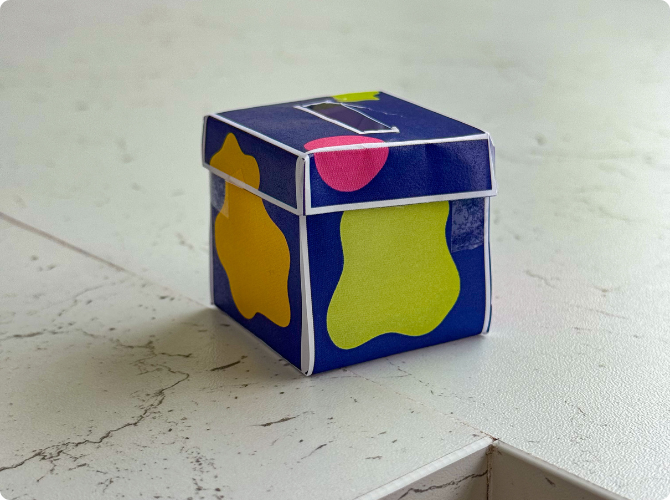
Try our DIY self-soothe box
Make a box with our template and write down some things that you can do, or remind yourself of if you are feeling low.
 Seven quick wins to boost your mood

Listen to some upbeat songs. Music can seriously help our mood.

Have a brisk walk or little run. Sweat out some of that negative energy.

Using a fidget toy can distract you and calm nerves if you’re anxious.

Talk to someone that will cheer you up, give you a distraction or some good advice.

Have a little tidy to help you feel on top of things.

Have some quiet time, giving yourself a bit of time to reset your systems.

Going for a bath or shower can help you to relax, feel refreshed and ready to go. Water is a calming agent.
More from No Limits

Mental health & wellbeing support
Find out more about all our mental health & wellbeing support.
Mental health wallet cards
Download and cut out our mental health wallet cards to keep with you.

Mindfulness for mental health
Mindfulness can have lots of benefits for our mental health and wellbeing. Here are some follow-along videos and methods to try.